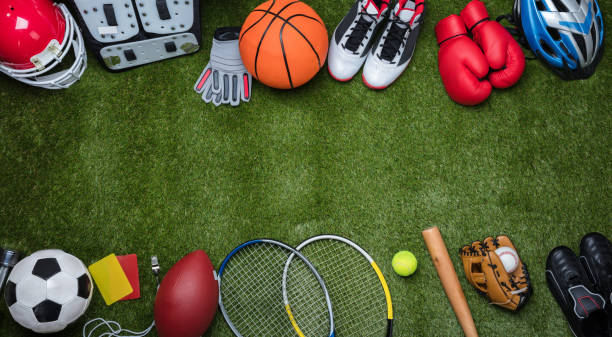
Out of doors sports have always been formed with the organic globe. Seasons, terrain, and weather styles define when and where persons ski, surf, climb, run, or sail. As climate improve accelerates, People foundational situations are shifting, forcing athletes, organizations, and communities to confront a long run in which the atmosphere is fewer predictable and a lot more Intense.
Switching Problems, Altering Athletics
Outdoor athletics are uniquely sensitive to environmental transform. In contrast to indoor things to do, they count on specific temperatures, seasons, landscapes, and climate styles. As local weather transform accelerates, these foundational situations are shifting in ways in which are currently redefining how, when, and wherever numerous athletics can exist.
Wintertime sports activities are Amongst the most visibly affected. Climbing temperatures shorten snow seasons and reduce snowfall, specifically at lessen elevations. Ski resorts more and more battle to take care of viable seasons, counting on synthetic snow that is expensive, Electrical power-intensive, and dependent on cold ailments that are becoming significantly less trusted. Natural ice for skating, hockey, and curling is disappearing in many areas, when frozen lakes once used for recreation are not Safe and sound or predictable.
Warmth offers a expanding challenge across a wide array of athletics. Endurance things to do such as marathon operating, cycling, tennis, and football experience greater health and fitness risks as Intense temperatures grow to be far more Repeated. Warmth strain, dehydration, and cardiac pressure at the moment are central problems, bringing about altered Level of competition schedules, longer recovery durations, and, occasionally, event cancellations. Traditional summer calendars now not align with safe playing conditions.
H2o-centered sporting activities also are staying reshaped. Warming oceans have an impact on wind designs and currents that sailors and surfers depend upon, although coral reef degradation threatens wave top quality and marine ecosystems central to coastal sports cultures. Soaring sea levels and more robust storms harm coastal infrastructure, Placing very long-recognized surf spots, rowing courses, and sailing amenities in danger.
Mountain and adventure sports face heightened instability. Melting glaciers and thawing permafrost maximize rockfall and avalanches, building routes when deemed Secure more risky. Climbers and mountaineers ought to reassess prolonged-standing assumptions about seasons and problems, although trail erosion and landslides change climbing and cycling networks.
Even sporting activities usually observed as adaptable are afflicted. Golfing courses, soccer pitches, and public parks wrestle with drought, flooding, and soil degradation, rising maintenance expenditures and lowering availability. Natural grass fields develop into more difficult to maintain, pushing communities toward artificial alternate options.
With each other, these variations signal a essential shift. Local climate modify is not really a distant risk to out of doors sports activities; it is actually an Energetic drive reshaping participation, security, and accessibility. The environments that when defined these athletics are changing more rapidly than traditions can adapt, forcing athletes and organizations to rethink what outside Activity will look like while in the many years ahead.
Adaptation and Innovation
As weather change reshapes the environments outside athletics depend on, adaptation is becoming a requirement as opposed to a alternative. Athletes, organizers, and governing bodies are increasingly pressured to rethink very long-standing practices, calendars, and in some cases the Actual physical spaces during which athletics occur. Innovation, each technological and cultural, is emerging for a vital response to these pressures.
The most speedy adaptations has been scheduling. Competitions are being moved to cooler months, previously mornings, or better latitudes and elevations to lower warmth exposure. Main marathons, cycling excursions, and workforce sports are modifying start off periods and introducing prolonged cooling breaks to shield athlete health. While these modifications may possibly seem to be minimal, they replicate a broader recognition that historic norms now not guarantee Secure circumstances.
Engineering is enjoying an increasing position. State-of-the-art weather conditions modeling and authentic-time environmental checking let organizers for making knowledgeable selections about security and logistics. Wearable engineering aids athletes monitor hydration, core temperature, and Restoration, enabling extra responsive schooling and Level of competition tactics in Serious problems. In Winter season sports, snow management units have gotten far more refined, although their environmental costs keep on being contentious.
Designed environments will also be evolving. Indoor and hybrid facilities—such as climbing gyms, wave swimming pools, and local weather-controlled schooling facilities—provide alternatives when pure problems are unreliable. These spaces allow for 12 months-round participation and talent advancement, but they also increase questions about Electricity use, authenticity, and accessibility. The problem lies in balancing resilience with sustainability.
Beyond infrastructure, cultural adaptation is underway. Athletes and businesses are more and more vocal about environmental obligation, making use of their platforms to advocate for conservation and climate motion. Outdoor makes invest in sustainable elements, occasion organizers cut down waste, plus some competitions incorporate environmental restoration into their mission.
Grassroots innovation is Similarly essential. Group-led trail servicing, water conservation initiatives, and land stewardship programs support preserve neighborhood environments that support every day participation. These endeavours acknowledge that adaptation is don't just about preserving general performance, but about defending the ecosystems which make outdoor sports activities probable.
In the end, adaptation and innovation have to work collectively. Complex solutions can purchase time, but very long-term viability is determined by aligning athletics society with environmental realities. The future of outside athletics are going to be shaped not only by how creatively they adapt, but by how responsibly they innovate.
Equity and Entry in danger
Local climate change is not just altering the problems of out of doors sporting activities; it is reshaping who gets to participate. As environments turn into a lot less predictable and adaptation grows dearer, problems with fairness and access are moving towards the forefront. Without having deliberate intervention, outside athletics chance getting extra exclusive, leaving behind the very communities that once relied on them for recreation, well being, and connection.
Increasing expenses certainly are a central problem. Artificial snow, climate-controlled amenities, advanced protection machines, and specialised teaching all appear in a price tag. As clubs and venues invest in adaptation, participation charges often increase, positioning structured Activity even more from attain for lower-income people. What was the moment available by means of public land or community infrastructure significantly shifts towards privatized, payment-primarily based environments.
Geography also performs a task. Communities in areas most affected by warmth, drought, wildfires, or flooding typically drop access to start with. Community parks close due to unsafe air high-quality or destroyed fields. Coastal and rural places may deficiency assets to rebuild facilities immediately after Excessive weather, though wealthier areas relocate events or spend money on protective infrastructure. This uneven distribution of effects reinforces current social and economic disparities.
Youth and grassroots athletics are especially susceptible. Educational institutions and local leagues rely upon outdoor fields and predictable seasons. more info When warmth waves cancel procedures or storms destroy services, participation drops, Particularly between youngsters without the need of entry to alternatives. After a while, this reduces expertise pipelines and weakens the social cloth developed all-around sport.
There may be also a cultural Expense. Quite a few outdoor athletics are deeply tied to position and tradition. When weather pressures drive routines indoors or into synthetic configurations, the sense of belonging and identification tied to normal landscapes can be dropped—generally initial in marginalized communities.
Safeguarding fairness demands intentional coverage and scheduling. Expense in community infrastructure, local climate-resilient community spaces, and inclusive programming is important. Adaptation tactics must prioritize accessibility, not simply elite Level of competition or commercial viability.
The future of outside athletics really should not be reserved for people who can afford technological options to environmental reduction. With no fairness at the middle of local climate adaptation, the playing field—the two practically and figuratively—will continue on to slender.
A Redefined Marriage with Nature
Climate change is forcing outdoor sports to confront a fundamental reality: nature just isn't a static backdrop, but an Energetic, modifying participant. As acquainted seasons fade and landscapes grow to be considerably less predictable, the relationship among athletes along with the setting is currently being redefined. What after felt everlasting now calls for humility, consciousness, and duty.
For decades, outdoor sporting activities were being designed on the belief of dependability—snow would drop, rivers would flow, winds would return. Climate disruption has shattered that certainty. Instead is usually a rising recognition that participation will depend on ecological overall health. This shift is changing how athletes give thought to achievements, chance, and stewardship. Respect for limits is changing the expectation of Management.
Several athletes now approach schooling and Levels of competition with heightened environmental consciousness. Decisions about wherever and how to play significantly take into account ecological influence, from path erosion to drinking water use and emissions. Outdoor athletics, as soon as centered purely on performance or journey, are becoming platforms for environmental ethics.
This redefined romance also problems the thought of dominance in excess of nature. In place of conquering peaks, chasing information, or pushing disorders to their restrictions, there is greater emphasis on adaptability and restraint. Picking out not to contend because of unsafe ailments is more and more found as wisdom in lieu of weakness. Listening to the ecosystem turns into Element of athletic skill.
Athletics organizations and communities are reflecting this shift. Land stewardship, conservation partnerships, and environmental education and learning are becoming integral to outside Activity culture. Defending obtain now indicates safeguarding ecosystems, not merely facilities.
Eventually, local climate change is reshaping outside athletics into a little something much more reflective and interconnected. The long run will belong to individuals that see sport not as independent from character, but embedded within just it. By redefining the connection from exploitation to coexistence, outdoor sports activities can continue to be significant—not Despite a changing planet, but in reaction to it.